Case Studies
The following case studies are a selection of my most recent work organized thematically, along with some earlier studies across sectors.
AI-Human Collaboration
Trust and Expectations
Decisions & Commitment
Space & Service Design
Competitive Intelligence
Studies across EdTech, Energy, and Heath Care
* Note: specifics details of these projects have been omitted or modified for proprietary reasons.
AI-Human Collaboration
An increasingly central focus of my research is the human-AI workflow — how AI products support judgment and reshape how decisions get made.
Work in this space has included:
AI-assisted tools for frontline service agents
Content moderation for early AI prototypes on the .com
Customer use cases of AI in travel-related contexts
The featured example explores how external AI assistants are reorganizing the earliest layers of travel planning.
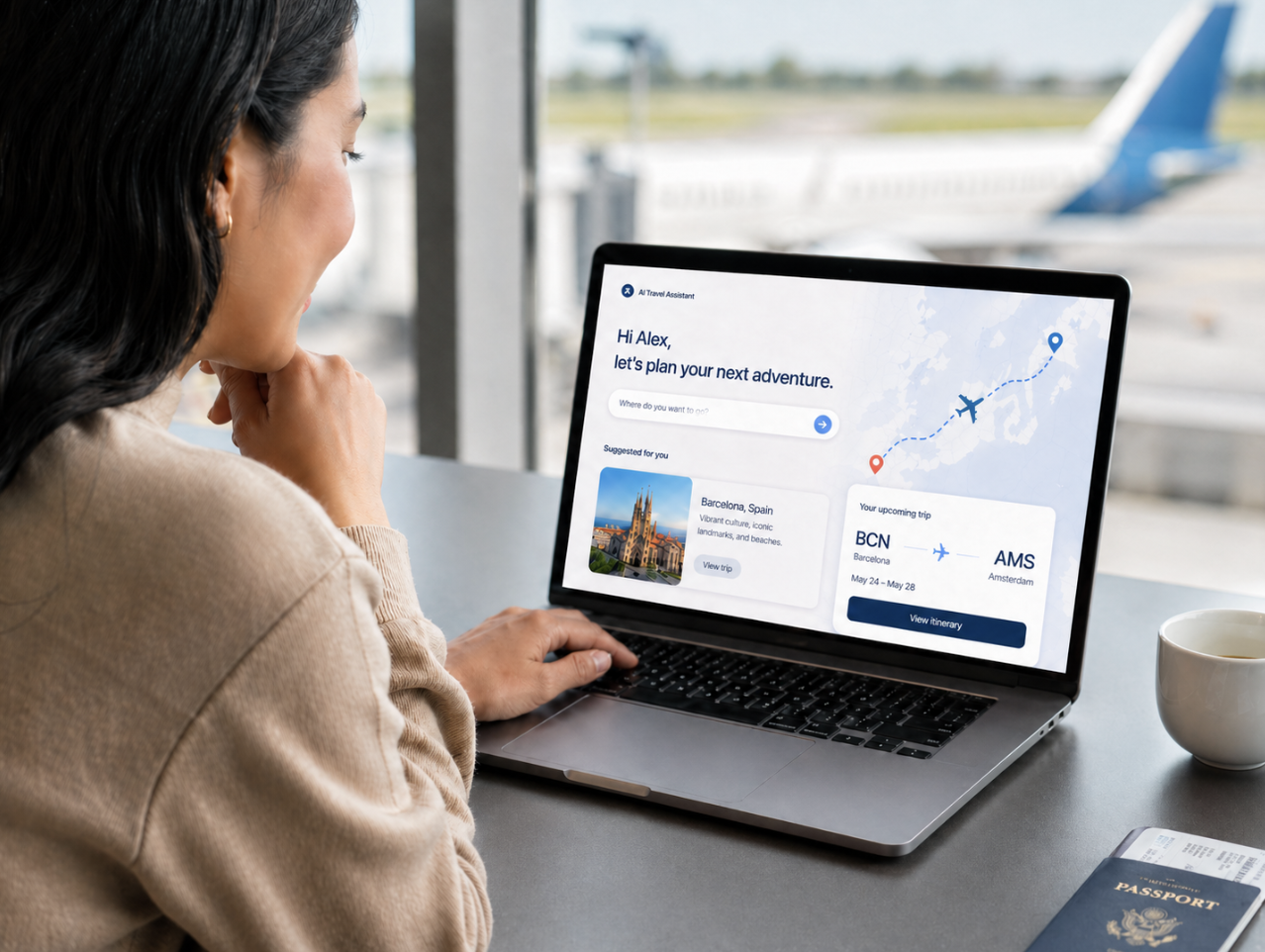
How AI is Reshaping Travel Planning
Trust & Expectations
Much of this research has focused on how customers evaluate institutional processes and responses when rules and constraints shape the experience.
It has spanned:
Customer response to delay compensation policies
Biometric identification adoption at the airport
Customer awareness of airport security wait times
The featured study charts a two-year, end-to-end research effort behind a new security wait times feature
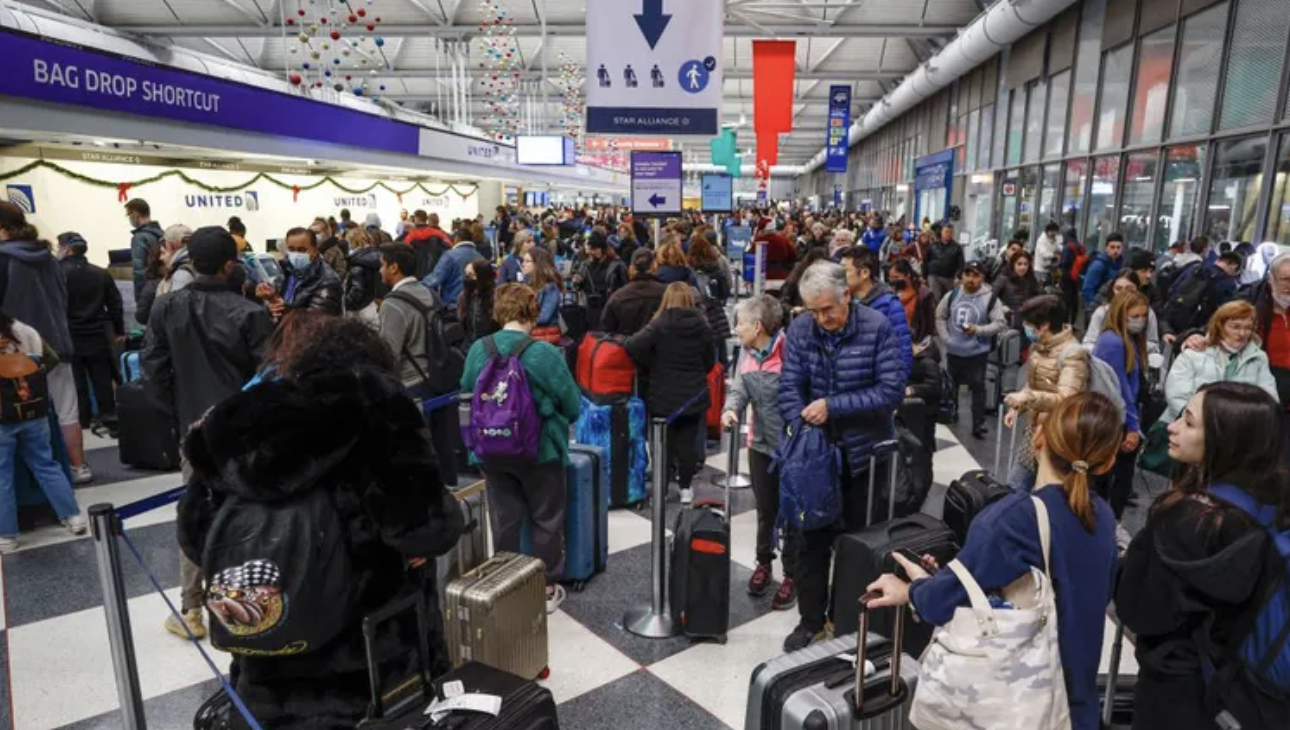
Designing for Security Wait Time Awareness
Decisions & Commitment
A core focus here has been the moment customers move from exploration to action — and how products support confident decisions.
Work in this space has covered:
Metasearch and cross-carrier fare comparison
Branded fare selection at the point of purchase
Day-of-travel mobile engagement and orientation
The featured study provided core foundational research for one of United's biggest digital transformations: rethinking how the day-of-travel mobile experience guides customers from check in to boarding.
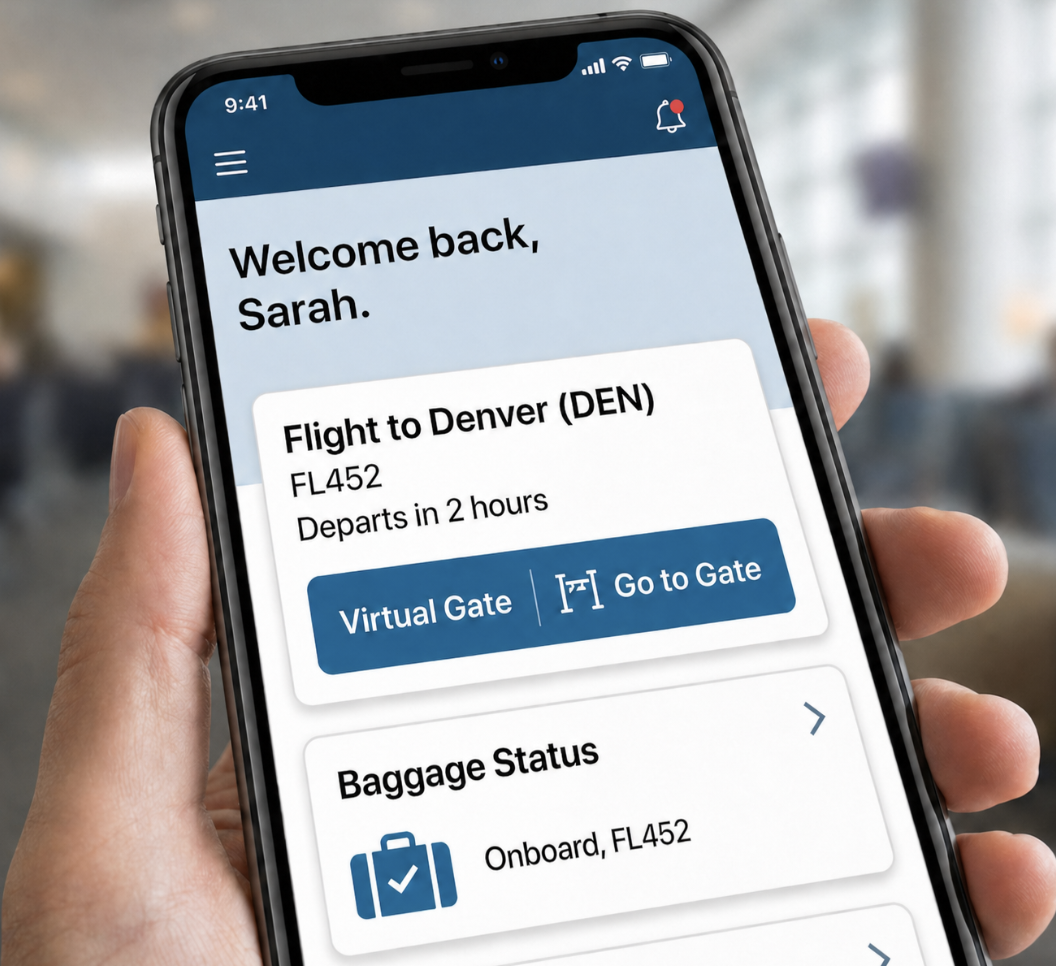
Designing for Day of Travel Mobile Engagement
Spaces & Service Design
This work looks at how physical environments, policies, and digital tools shape movement and behavior in operational spaces.
Focus areas in this space have included:
Baggage pooling and shared-bag logistics
The Global Services premium customer experience
Departure terminal layout and redesign
The featured study examines how terminal layout, policy, and digital tools shape passenger flow — informing operational and design priorities for a high-traffic airport environment.
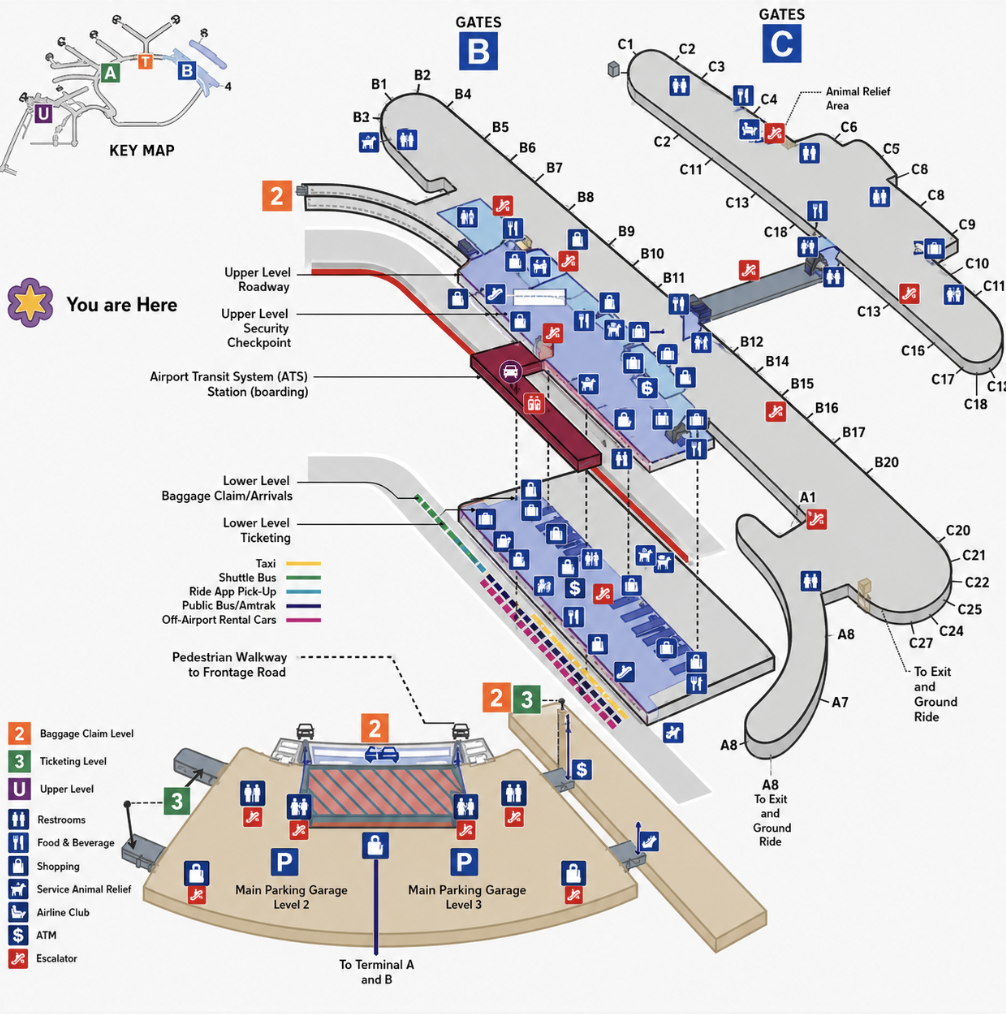
Redesigning ORD Departure Terminal
Competitive Intelligence
I led the establishment of competitive intelligence research pillar at United, using mixed-methods research that goes beyond surface data to understand competitors' customer experience challenges and needs.
Work in this space has covered:
Southwest's shift to assigned seating
A competitor's loyalty program redesign
Benchmarking of a rival's premium cabin experience
The featured example examines the strengths and gaps of a competitor's premium experience.
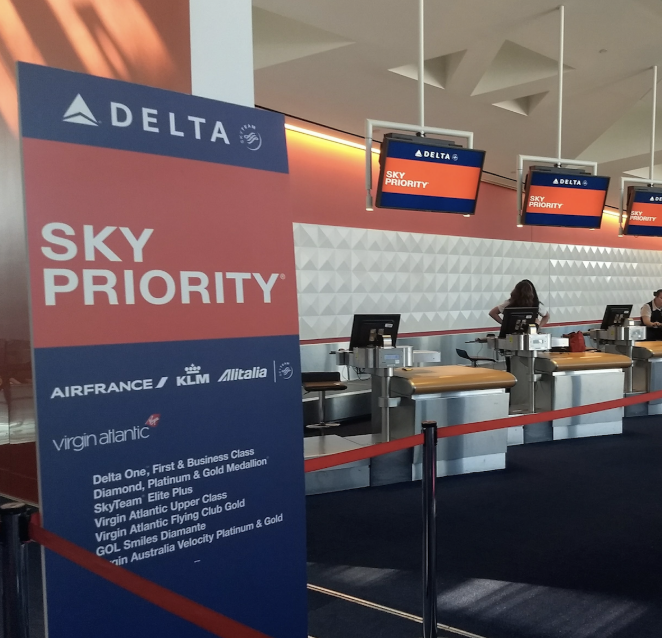
Delta Sky Premium Experience
Education, Energy, & Health Care Case Studies
Digital Upskilling: Problems and Prospects
A longitudinal study of learner engagement on a corporate upskilling platform. Combining a 21-day diary study with retrospective focus groups, the research showed how work patterns dictate learning habits — and made the case for shifting from rigid, role-based learning plans to more flexible, skill-based pathways.

Digital Upskilling
Nexamp Solar: Reimagining Decarbonization
Mixed-methods research to expand a clean-energy company's customer portal into a full decarbonization experience. Survey, competitive analysis, and interviews revealed that trust, relatable metrics, and peer comparison drive engagement — directly shaping new portal features including a carbon footprint calculator.

Reimagining Decarbonization
Ophy Care: Localizing Telemedicine
Research lead on a telemedicine startup built for non-native English speakers. Through heuristic evaluation, interviews, and usability testing, the work surfaced how language barriers shape trust and financial anxiety — driving a website overhaul focused on accessibility, transparency, and simplified registration.
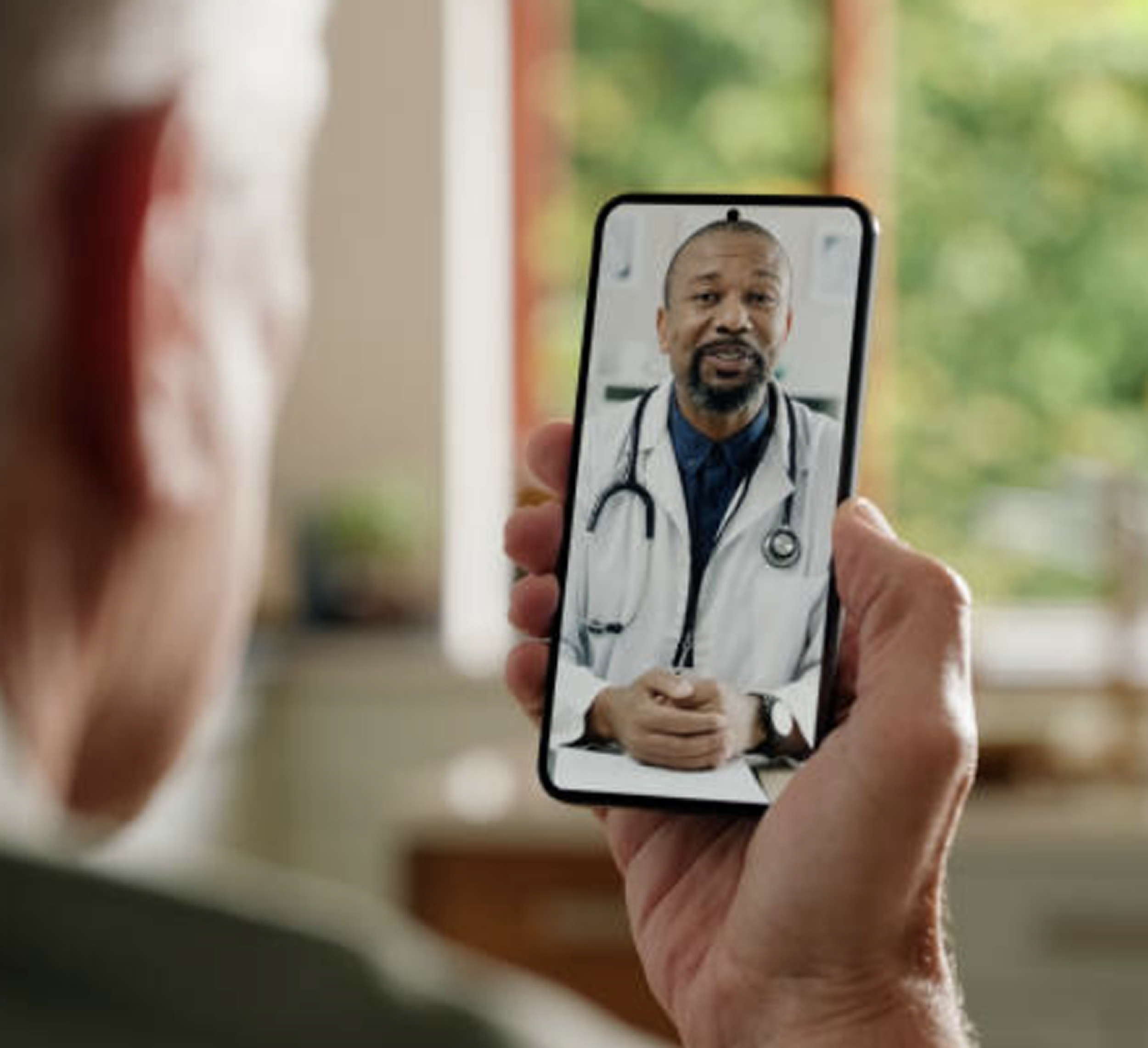
Localizing Telemedicine